
Vatican Excommunicates Right Wing Fundamentalists in First Test of Leo's Papacy
The imposition of excommunication upon the Society of St. Pius X sets stage for future confrontation with Opus Dei...

On July 2, 2026, the Vatican announced formally that the Society of St. Pius X (SSPX), a fundamentalist sect, had entered into schism by consecrating four Bishops without authorization from Pope Leo XIV, thereby incurring latae sententiae, or automatic, excommunication upon themselves. After months of intransigence in the face of outreach from Rome, SSPX carried through with plans it had announced initially last February, a highly-symbolic act timed to memorialize another instance, nearly four decades earlier, when their right wing founder Archbishop Marcel Lefebvre had incurred the same penalties for the same actions.
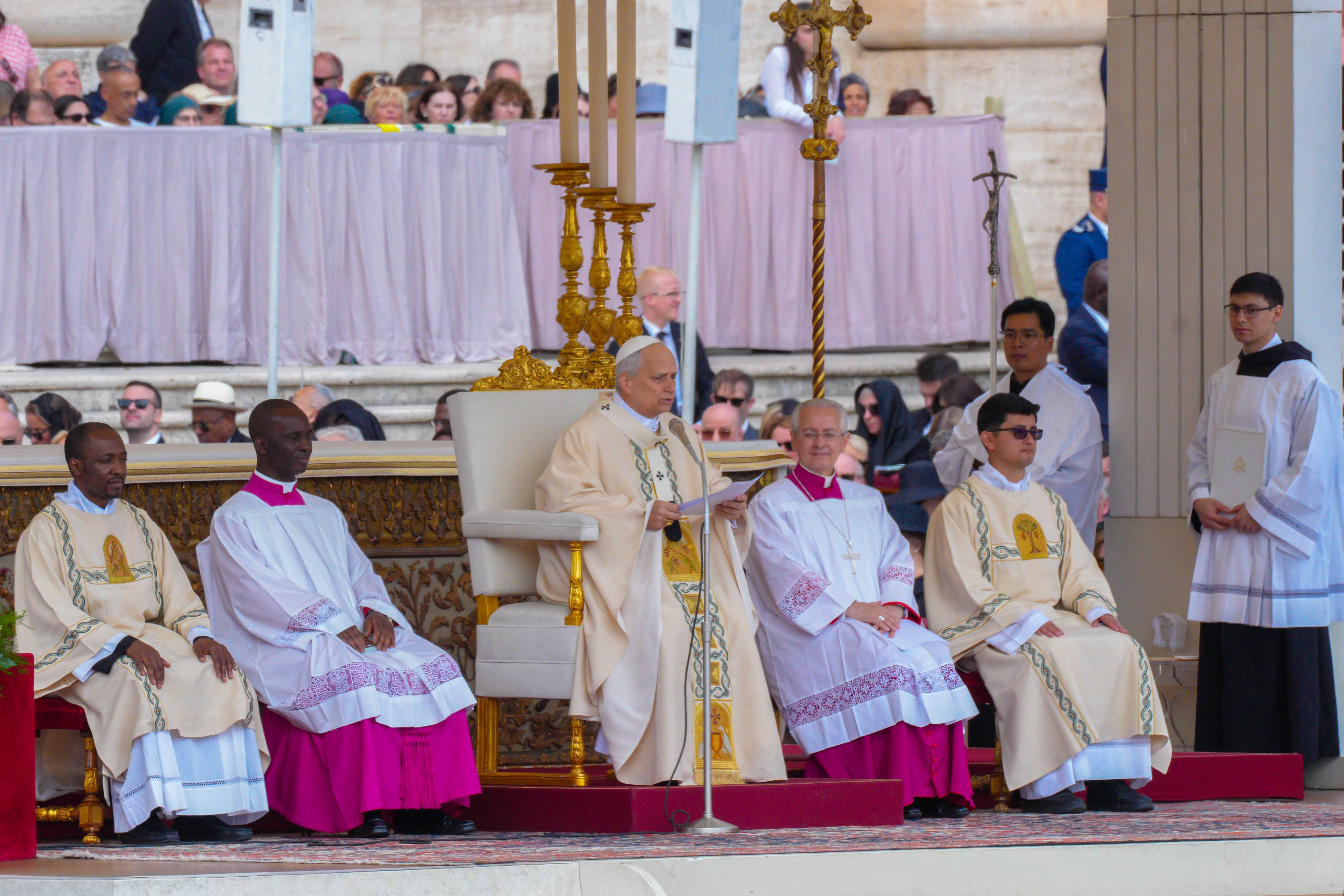
This was the first overt challenge to Leo’s papacy and his authority over the Church. Since his election nearly two years ago, right wing forces have been congregating to form an opposition bloc.


For instance, the illicit consecration ceremony SSPX held in Switzerland on Wednesday counted in attendance members of several right wing Italian political parties and various individual operatives were likewise attached to the ceremony. Steve Bannon has previously spoken highly of the sect on his podcast. The election of Robert Prevost as Pope Leo XIV has brought to the surface a long-simmering divide between progressive and conservative Catholics, one underwritten by immense amounts of money. It provides key insights into the Christian Nationalist psyche of people like Vice President J.D. Vance and the conservative majority of the Supreme Court.

The most temporal manifestation of this rivalry arose when the late Pope Francis implemented financial oversight reforms in the Vatican Bank, a longtime money laundering outlet for organized crime, authoritarian dictators, and the CIA. This included closure of suspicious accounts and revising the rules of eligibility to become a depositor. This in particular was a point of antagonism for the late sex trafficker Jeffrey Epstein, whose emails reveal communications with Bannon that sought to instigate a coordinated campaign against Pope Francis. One can imagine that Epstein either used the Vatican Bank or relied on those who did so to finance both licit and illicit operations in Eastern Europe. The email cache makes evident that Epstein trafficked women from the region and so it is possible to envision the utility of a Vatican Bank account as a source of clean and easily-accessed money.
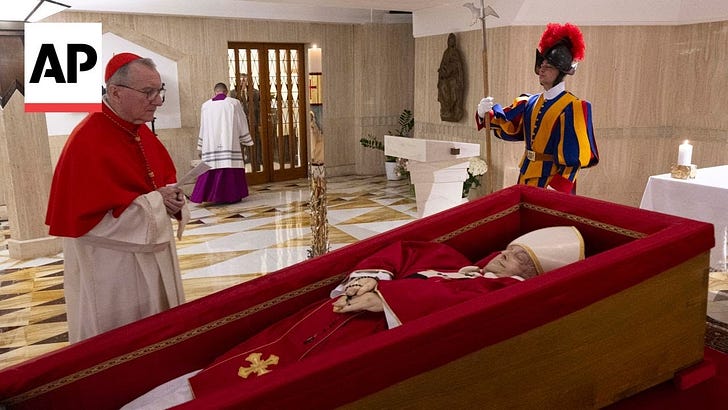
The confrontation with the SSPX was never about the hobby-horses of the Latin Mass, or debates over the Second Vatican Council, or the meaning of the word “Tradition” in Catholic theology, it was a bald-faced act of insubordination trying to test limits. For example, the Priestly Fraternity of Saint Peter, an organization in full communion with Rome, offers the Latin Mass that SSPX insists would otherwise be lost were it not for these unauthorized consecrations. What truly laid behind the confrontation with SSPX was a power grab by those who subscribe to a strand of deeply-regressive and misogynist Catholicism that grants succor to various neo-fascist right ideologues in the European Union and the United States.
The next manifestation of this confrontation will be when Leo tries to reform the infamous Opus Dei, likewise known for its own litany of human rights abuses and cult-like practices. (Check out this interview with Gareth Gore for further insights.)
It has long been suspected that several Supreme Court Justices, such as Alito and Roberts, either belong to the group or at least receive ministry from an Opus Dei chapel that is located quite close to the Court building. Known for using outdated practices like corporal mortification of the flesh and other Medieval extremities, Leo has indicated his intention make the group more accountable to local Bishops, who frequently report friction with Opus Dei groups in their Dioceses. This fundamentally changes the status Pope John Paul II granted them as a Personal Prelature, a group allowed to function with complete autonomy and only beholden to the internal leadership, a near-vigilante status in theological terms that can and does enable tremendous abuse of power.
At the heart of Opus Dei lies a warped revision of Catholic theology. It embraces the Protestant Prosperity Gospel and rejects not just a preferential option for the poor but the basic tenet of the Church’s millennia-long ministry to the impoverished. Wealthy and elite members of Opus Dei are treated regally in their facilities by a coterie of low-income workers called numeraries, many from the Global South, who experience extraordinary hyper-exploitation. In spite of Christ’s claim about camels and needles, Opus Dei seems certain that the Kingdom of God is Within Your Bank Account, a religion every Libertarian dreams of.
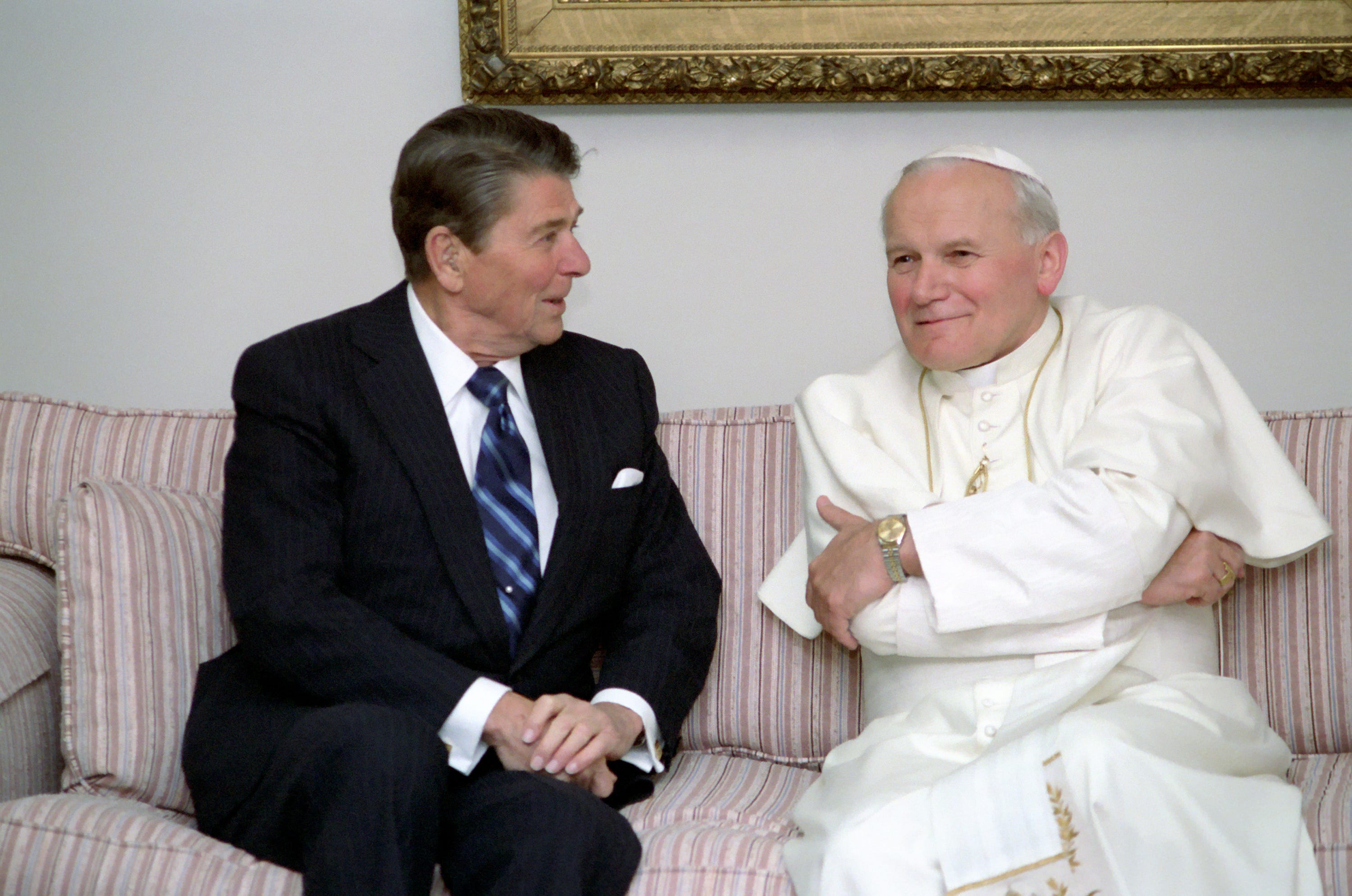
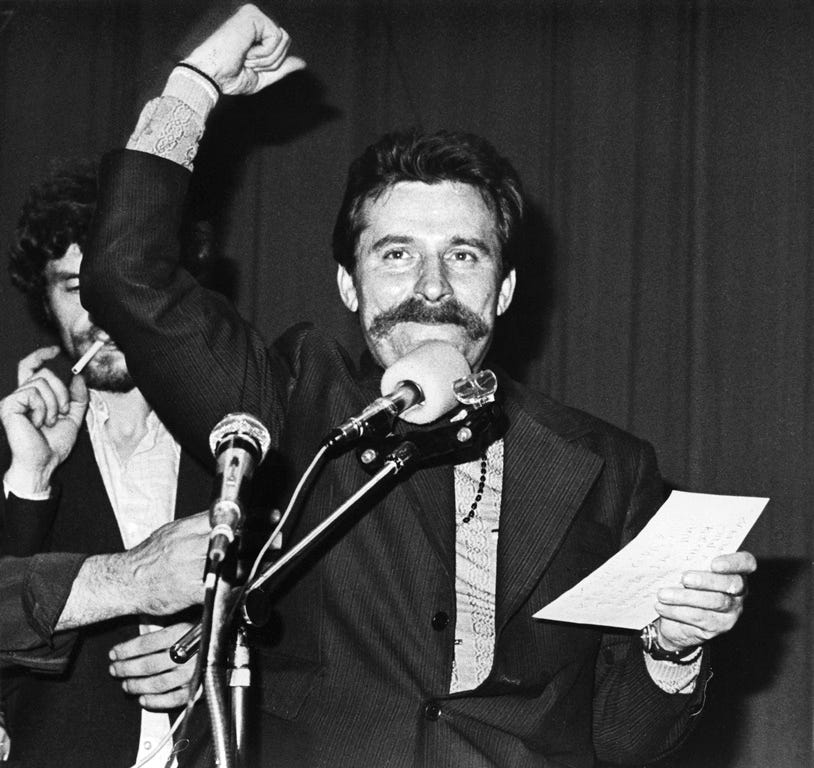
This is not an unforeseen development given the harsh repression of Latin American Liberation Theology by John Paul II in the 1980s. As Carl Bernstein reported in his 1992 Time Magazine story ‘The Holy Alliance,’ the Polish pontiff worked closely with the Reagan administration to support the Solidarność labor union in the homeland of His Holiness, collaborating with the CIA and AFL-CIO to import technology and materiel necessary for its survival under martial law by the Communist government when it experienced extended repression. According to Gore’s reportage, the Pope envisioned deploying Opus Dei missionaries behind the Iron Curtain to support the Solidarność faction backed by Lech Walesa, part of the logic that governed his decision to grant them the unique and extraordinary status of Personal Prelature.
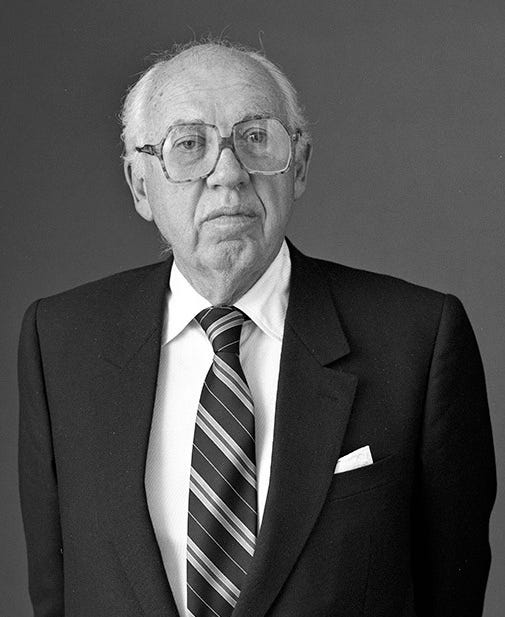
In this period, Reagan appointed the conservative Catholic businessman William Casey as Director of Central Intelligence, where he oversaw operations that supported the Polish while simultaneously backing the forces repressing the Latin Americans. Fr. Ernesto Cardenal, a Jesuit who served as Minister of Culture for the Nicaraguan Sandinista government, was publicly shamed and sanctioned in 1984 by the Pope when the Vatican plane landed on the tarmac. By contrast, there never were penalties for anti-government priests in Poland, instead their efforts were validated by the Pope. In August of that year, Cardinal Joseph Ratzinger, later Pope Benedict XVI, published his ‘Instruction on Certain Aspects of the ‘Theology of Liberation,’’ solidifying the Vatican stigma of heresy upon the entire movement in a way that enabled Contra death squads. Whether a calculated outcome or a true accident of history, John Paul effectively and successfully horse-traded Nicaragua for Poland. By anathematizing Liberation Theology so publicly and blatantly, shaming and shunning its membership as ‘Marxist’ heretics, the Vatican removed whatever shield of protection that was traditionally accorded the Church and clergy/religious by the ruling elite. The oligarchic and latifundia classes, previously put on the defensive by a social movement widely embraced by the faithful, suddenly found themselves granted a powerful tool necessary for the construction of a white terror. The radical base communities were massacred, nuns and priests were murdered, and the rich were empowered once again.
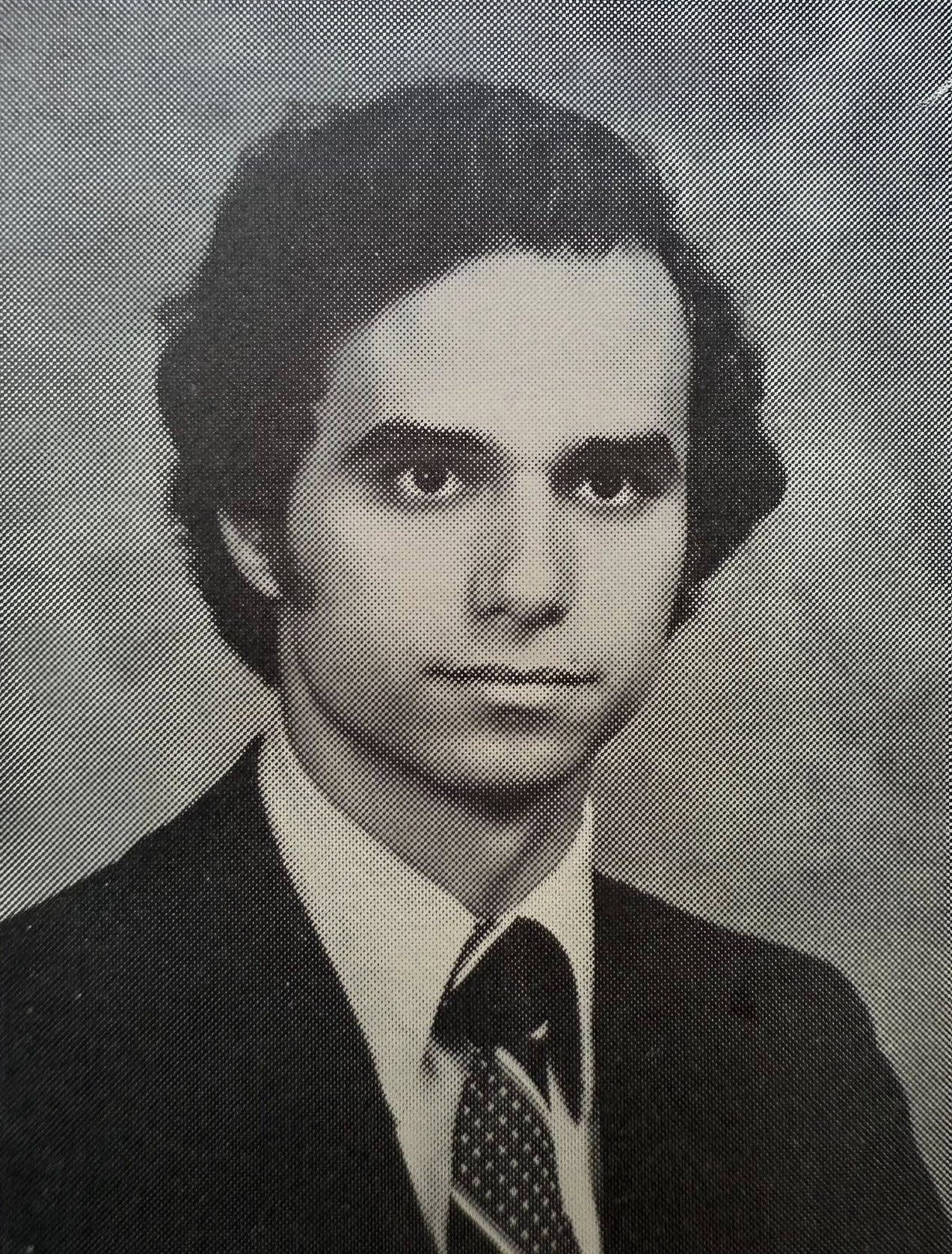
And all along, watching on the sidelines, was Fr. Robert Francis Prevost. He was an Augustinian in Chulucanas, Peru, during a period when Americans were being killed by Contras, arriving in 1985 after completing his seminary studies, where he had participated in anti-nuclear proliferation protests. What and how he thinks about those violent early days of his priesthood remains to be seen. But it is impossible to ignore the historic confluence of forces that bring about these new developments.